Coffee is a daily ritual for millions worldwide. However, many find themselves asking, "Why is my coffee maker not brewing properly?" This question highlights a common issue faced by coffee enthusiasts. According to a recent survey by the National Coffee Association, nearly 30% of coffee drinkers experience brewing problems at least once a month. This can lead to frustration and a less enjoyable coffee experience.
Improper brewing may stem from various factors. Clogged filters, coffee residue, and incorrect water temperature can all affect performance. A report from the Specialty Coffee Association found that 20% of users do not clean their machines regularly, leading to decreased efficiency. Ignoring these maintenance steps can result in subpar coffee quality.
Addressing these issues requires a blend of knowledge and practical steps. Regular cleaning and using the right grind size are essential. Remember, a malfunctioning machine can alter your daily coffee experience. Understanding these challenges makes it easier to troubleshoot effectively and maintain the joy of brewing.
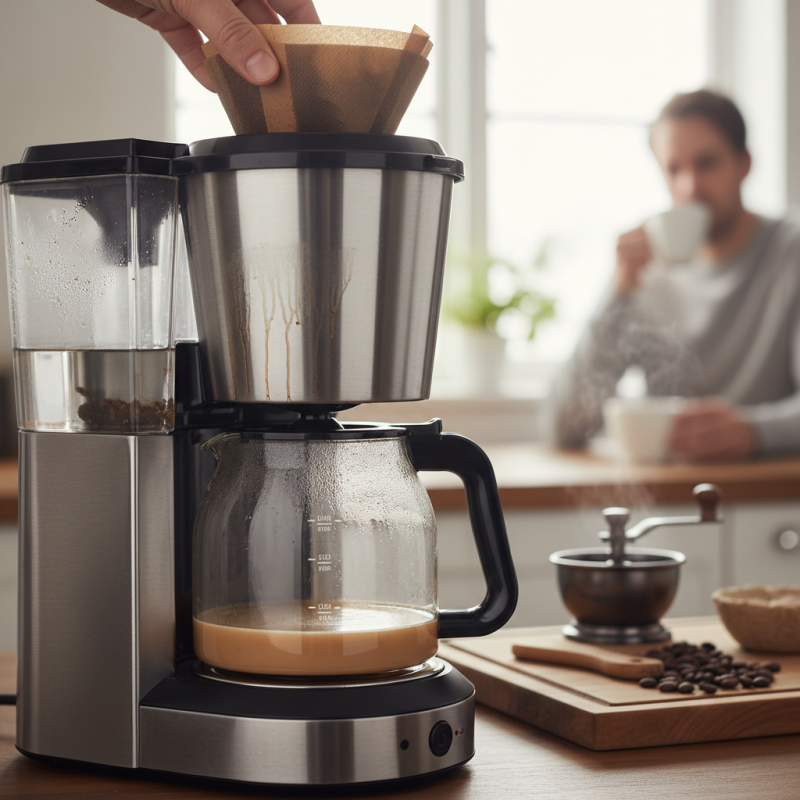
Identify Common Brewing Issues in Coffee Makers
When your coffee maker fails to brew properly, it can be frustrating. Several common issues could be to blame. A clogged water line is often one culprit. If you notice weak or irregular brewing, it might be time to check for blockages. Clean the water reservoir regularly. Use a vinegar solution to unclog stubborn buildup.
Another issue might be the coffee grounds. Coarse or overly fine grounds can affect the brewing process. If the grind is too fine, it may clog filters. On the other hand, coarse grounds may lead to weak coffee. Experimenting with grind size can significantly alter the final brew.
Inconsistent water temperature can also ruin your coffee experience. If the coffee maker heats water improperly, it might lead to under-extracted coffee. Check the machine's temperature settings. If necessary, consider descaling the machine to enhance performance. Remember, coffee makers require maintenance, and neglecting this can lead to more brewing problems.
Check Water Supply and Reservoir Conditions
Water supply is crucial for a coffee maker to function correctly. If your machine is not brewing, the first step is to check the water reservoir. According to a study by the Specialty Coffee Association, around 15% of all brewing issues stem from inadequate water levels. Ensure the reservoir is filled above the minimum line. Clean water is essential for optimal extraction.
Next, consider the source of your water. Hard water contains minerals that can clog your coffee maker over time. The Water Quality Association reports that 85% of the U.S. faces hard water issues. This can affect both flavor and brewing efficiency. If you notice scale buildup, descaling may be necessary. Regular maintenance, such as using filtered water, can make a difference in your coffee's flavor and your machine's longevity.
Finally, take a moment to reflect on your habits. Are you cleaning the reservoir regularly? Neglecting this can lead to mold growth, resulting in foul-tasting coffee. Experts recommend cleaning the reservoir at least once a month. A clean machine leads to a satisfying brew. Remember, maintaining your water supply can make a noticeable difference in your daily cup.
Examine Coffee Grounds and Their Impact
When troubleshooting your coffee maker, consider the coffee grounds' quality and quantity. Using fresh, high-quality coffee grounds can significantly impact the brewing process. Old coffee grounds may lose flavor and aroma, resulting in a lackluster brew. If you’ve had your coffee stored for a while, it might be time to replace it.
The grind size also plays a crucial role. Coarse grounds can lead to under-extraction, while fine grounds may cause over-extraction. Both results affect the taste of your coffee. Experimenting with different grind sizes is beneficial. Monitor how each one impacts flavor. Are you noticing a change? This evaluation is essential for achieving the perfect cup.
Additionally, the amount of coffee used matters. Too little coffee may lead to weak and watery results. Conversely, too much can create an overly strong brew that is hard to enjoy. A standard recommendation is to use two tablespoons of coffee per six ounces of water. This guideline helps maintain a balanced flavor profile. Adjusting your ratio allows room for personal preferences. Reflection on these details can elevate your coffee experience.
Impact of Coffee Grounds on Brewing Quality
This bar chart depicts the impact of coffee ground sizes on brewing quality. A medium grind delivers the best flavor and extraction, scoring an 8 out of 10, while too coarse and too fine grounds score poorly.
Clean Filters and Internal Components Regularly
Regular maintenance is crucial for a coffee maker's optimal performance. Many users overlook the importance of cleaning filters and internal components. According to a study, nearly 50% of coffee makers show signs of mineral buildup within just three months of use. This buildup can impact brewing quality and even lead to malfunction.
Cleaning the coffee filter is essential. A dirty filter restricts water flow. This can cause inconsistent brewing temperatures. Many experts recommend rinsing or replacing the filter every month. Additionally, internal components like the water reservoir and heating element need attention. For instance, calcium deposits can accumulate, affecting the heating efficiency. Research indicates that deep cleaning every six months can extend appliance lifespan significantly.
It’s common to forget about these tasks. Many users may set a reminder for regular cleaning but ignore it over time. This neglect can lead to disappointing coffee experiences. Frequent cleaning ensures a flavorful cup and can save money in repairs. A little effort goes a long way in maintaining your coffee maker.
Inspect Electrical Connections and Reset the Machine
When your coffee maker refuses to brew properly, checking the electrical connections is vital. Faulty connections can disrupt the flow of power to the machine. According to a report by the National Coffee Association, over 60% of coffee maker issues stem from electrical problems. Begin by unplugging your machine and inspecting the power cord for any visible damage. A frayed or exposed wire can cause significant problems.
If your coffee maker still doesn't work, consider resetting the machine. Many modern models have reset buttons. Consulting your user manual can provide insight into how to reset your specific machine. Some reports suggest that a simple reset can resolve 30% of brewing issues.
Tips: Ensure your machine is clean. Regular maintenance can prevent buildup that affects brewing. Additionally, avoid overloading your coffee maker with grounds; this can also lead to malfunctions. Regular dishwasher use is common, but some parts may need hand cleaning. Remember, even a minor oversight might be the key to proper functionality.
Conclusion
If you're wondering, "Why is my coffee maker not brewing properly?" it's important to consider several common issues. First, check the water supply and ensure the reservoir is filled and functioning. Insufficient or contaminated water can lead to improper brewing. Next, examine the coffee grounds you are using; the grind size and freshness can significantly affect extraction. Additionally, regularly cleaning filters and internal components can prevent clogs and buildup that disrupt the brewing process.
Another aspect to inspect is the electrical connections. Loose wires or a malfunctioning power source can prevent the machine from operating correctly. If all else fails, resetting your coffee maker might resolve unknown issues. By systematically addressing these areas, you can troubleshoot the problem and enjoy a perfect cup of coffee once again.

 Sophia Electric Appliance