Why is my coffee maker not brewing properly is a common question, especially when a trusted machine produces weak, bitter, or cold coffee. The problem may appear suddenly. A clogged showerhead, stale grounds, low water temperature, or an uneven filter can change the entire cup. Small details matter.
The Specialty Coffee Association recommends brewing near 92–96°C, with roughly 55 grams of coffee per liter of water. Its brewing guidance also identifies balanced extraction as a key quality measure. These figures provide a useful diagnostic baseline, not an absolute rule. Coffee scientist Christopher Hendon has said, “Water is the most important ingredient in coffee.” His point is practical. Hard water can leave scale inside the heater and restrict flow. Filtered water may improve both taste and machine performance.
Demand makes this issue worth examining. The National Coffee Association’s 2024 National Coffee Data Trends report found that 67% of American adults had consumed coffee within the previous day. More people are relying on home equipment, including coffee makers manufactured in China. Yet brand reputation alone cannot guarantee consistent brewing. A machine may be powerful, but a dirty valve can still produce a thin stream.
This guide examines the likely causes, from incorrect dosing to mineral buildup. It also explains simple checks before professional servicing becomes necessary. Some advice may seem obvious. That is where many mistakes begin. The diagnosis is rarely glamorous, and cleaning is often postponed too long.
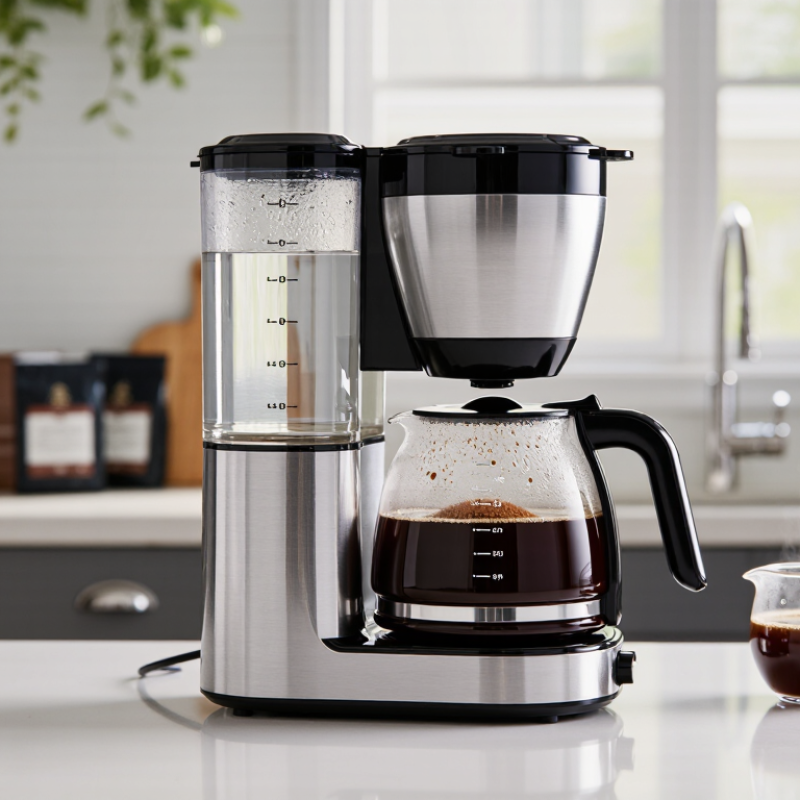
A China-made coffee maker can stop brewing properly for simple, practical reasons. In my repair experience, the water tank is often seated slightly out of position. The machine sounds active, but little water reaches the coffee basket. Remove the tank, clean its valve, and press it firmly back into place. Check the water level, too. A low tank may trigger weak flow.
Coffee grounds create another common problem. Very fine grounds can block the filter screen and produce slow, bitter coffee. Use a medium grind and avoid pressing the grounds too tightly. The basket should look full, not packed like soil. If water drips slowly, rinse the filter under warm water and inspect its small holes. A soft brush works better than a sharp metal tool.
Mineral buildup can affect the heater and internal water path, especially with hard tap water. Follow the cleaning instructions in the manual, and use a suitable descaling solution. Never run the machine dry. I once blamed a faulty pump, but the real cause was a clogged inlet valve. That mistake was useful, because noise does not always identify the problem. If the motor runs without water movement, unplug the appliance and let it cool before checking accessible parts. Internal electrical repairs require a qualified technician, not guesswork.
| Common Problem | Typical Symptoms | Likely Cause | Recommended Check | Practical Solution | Prevention and Reference Data |
|---|---|---|---|---|---|
| Weak or Watery Coffee | Pale flavor, thin body, and little aroma. | Too little ground coffee, an excessively coarse grind, or an incorrect water-to-coffee ratio. | Measure both water and coffee; inspect the grind size and filter position. | Use about 55–60 g of coffee per 1,000 g of brewing water, then adjust to taste. Use a medium grind for standard drip brewing. | Keep the dose consistent and avoid filling the reservoir above its marked capacity. |
| Bitter or Burnt Flavor | Harsh taste, dry finish, or burnt aroma. | Over-extraction, water that is too hot, a grind that is too fine, or prolonged heating after brewing. | Check whether the coffee remains on the hot plate for a long period and whether the filter drains slowly. | Use a slightly coarser grind, reduce contact time, and transfer brewed coffee to a thermal carafe when possible. | For drip coffee, a brewing-water temperature of approximately 90–96°C (195–205°F) is a widely accepted target range. |
| Sour or Under-Extracted Coffee | Sharp acidity, salty notes, and a short or hollow finish. | Water flows too quickly, the grind is too coarse, the water is too cool, or the coffee dose is too low. | Observe the brew time and check whether water bypasses the coffee bed around the filter. | Use a slightly finer grind, verify the heater is warming correctly, and distribute the grounds evenly. | Use fresh coffee and store it in an airtight container away from heat, light, and moisture. |
| Slow Dripping or Overflow | The basket fills with water, coffee drips slowly, or liquid spills over the filter holder. | A blocked outlet, overfilled basket, overly fine grounds, or a collapsed paper filter. | Remove the filter basket and inspect the outlet, valve, paper filter, and quantity of grounds. | Clean the outlet, use the correct filter size, avoid compacting drip coffee grounds, and reduce the dose if necessary. | Rinse the basket after each use and clean removable parts according to the appliance instructions. |
| Machine Does Not Start | No lights, no heating, or the brew cycle stops immediately. | No power, an incorrectly seated carafe or reservoir, an activated safety interlock, or an internal electrical fault. | Test the wall outlet, inspect the power cord, and reseat the reservoir, basket, and carafe. | Unplug the appliance before checking removable parts. Stop using it if the cord, plug, or housing shows damage. | Use a suitable grounded outlet and keep the appliance away from standing water. |
| Water Leaks | Water appears beneath the machine, around the reservoir, or near the carafe. | An overfilled reservoir, loose seal, cracked container, misaligned carafe, or blocked overflow path. | Fill only to the maximum line and inspect seals, joints, the carafe lid, and the reservoir base. | Reinstall parts firmly, replace visibly damaged removable components, and request qualified service for internal leaks. | Do not move the machine while it is operating, and empty the reservoir before storage. |
| Unusual Noise or Vibration | Rattling, buzzing, clicking, or stronger vibration than usual. | Air in the water path, scale buildup, a loose removable part, or an uneven countertop. | Check the water level, machine position, filter basket, carafe, and visible mineral deposits. | Clean the water path, secure all removable parts, and run a manufacturer-approved descaling cycle. | Descale based on water hardness and usage rather than waiting for severe performance loss. |
| Coffee Is Not Hot Enough | The finished coffee cools quickly or tastes flat and muted. | Cold equipment, scale on the heating system, an underperforming heater, or excessive heat loss from an open carafe. | Preheat the carafe, check the brewing cycle, and compare performance before and after descaling. | Preheat heat-safe equipment, descale correctly, and seek service if the heating cycle remains abnormal. | Avoid reheating coffee repeatedly; use an insulated carafe to retain heat without continued cooking. |
| Mineral Scale Buildup | Longer brew cycles, reduced flow, white deposits, or a metallic taste. | Calcium carbonate and other minerals accumulating in the water circuit. | Inspect the reservoir and outlet for deposits and monitor changes in brewing speed. | Run the approved descaling procedure, rinse thoroughly, and never mix cleaning chemicals. | Use fresh drinking water and follow the appliance manual for descaling frequency and solution type. |
| Uneven Extraction | Some cups taste sour while others taste bitter, or the flavor changes from one brew to the next. | Uneven grounds, an unstable filter, inconsistent dosing, or water channeling through the coffee bed. | Check the filter alignment, level the grounds gently, and use the same dose for each cycle. | Use evenly ground coffee, avoid pressing drip grounds, and confirm that the spray outlet distributes water properly. | A digital scale and a consistent grind setting help reduce variation between brews. |
Safety note: Unplug the coffee maker before cleaning or inspecting it. Do not open the housing or repair electrical components unless you are qualified to do so.
The water tank may sit slightly out of position. Remove it, clean the valve, and press it firmly into place. Check the water level. A low tank can weaken the flow. Noise alone proves little.
Yes. Very fine grounds can block the filter screen and create bitter, slow coffee. Use a medium grind. Do not press the grounds tightly. The basket should look full, not packed like soil.
Rinse the basket under warm water. Inspect its small holes carefully. Use a soft brush, not a sharp metal tool. A metal tool may damage the filter.
Mineral scale can narrow the inlet and internal water path. It may also reduce heating performance. Follow the manual’s cleaning instructions. Use a suitable descaling solution. Never run the machine without water.
Water with moderate mineral content often works well. A practical reference is 75–250 milligrams per liter of dissolved solids. Water acidity between 6 and 8 is also commonly suitable. These ranges are guides, not strict rules.
Start with a medium grind and a 1:15–1:18 coffee-to-water ratio. Too little coffee can create a pale, fast stream. Too much may cause pressure and overflow. Change one variable at a time.
Unplug the machine and let it cool. Do not force stuck parts or open electrical sections casually. Seek qualified service for internal electrical repairs. Guesswork can make a small problem worse.
Run one water-only cycle and watch the flow. Record the water type, grind size, and brewing time. Check the filter and drip valve before blaming the pump. I once blamed the pump too quickly. That diagnosis was wrong.
China-made coffee makers can sometimes produce weak, slow, or incomplete coffee because of simple issues with water flow, coffee grounds, or internal components. If you are asking, “Why is my coffee maker not brewing properly,” begin by checking whether the water tank is filled and correctly seated, the filter is clean, and the coffee grounds are fresh and evenly measured. Excessively fine grounds, overfilling the filter, or using too much coffee can restrict water movement and reduce extraction.
A careful inspection should also include the spray outlet, filter holder, brewing tube, and power connection. Mineral buildup may slow heating and block passages, while a loose or damaged part can interrupt the brewing cycle. Cleaning removable components, descaling the water system, using the recommended coffee-to-water ratio, and avoiding overpacking the filter can often restore normal performance. Regular maintenance and prompt attention to unusual noises, leaks, or longer brewing times can help prevent future brewing failures.

 Sophia Electric Appliance