Top Coffee Machines for Small Kitchens How to Choose?

Time:2026-10-13 Author:Oliver
0%

Choosing a coffee machine for a small kitchen involves more than finding the smallest appliance. Counter space, cabinet height, water access, and daily coffee habits all matter. A machine that fits neatly beside a toaster may still feel inconvenient if its water tank sits behind a wall. Even a few extra centimeters can affect usability.

This guide explores how to choose a coffee machine for small kitchens through practical, evidence-based criteria. Compact pod machines often save space and simplify preparation, while slim espresso machines may offer better control over grind, dose, and milk texture. Drip coffee makers can suit households that brew several cups, but their carafes and heating plates require more room. Measurements should include the machine’s width, depth, height, and clearance for opening lids or removing tanks.

Noise, cleaning, energy use, and repair support deserve equal attention. A quiet pump helps in shared homes, especially during early mornings. Removable parts make regular cleaning less frustrating. Manufacturer manuals and warranty terms can reveal more than attractive product photos. Still, no machine is perfect. Small models may have limited reservoirs, slower brewing, or weaker steam performance. That trade-off is easy to overlook.

The best choice depends on realistic routines, not impressive specifications alone. A careful buyer should measure the counter, count daily cups, and consider where accessories will be stored. Some recommendations may change after one week of use. That is worth remembering.
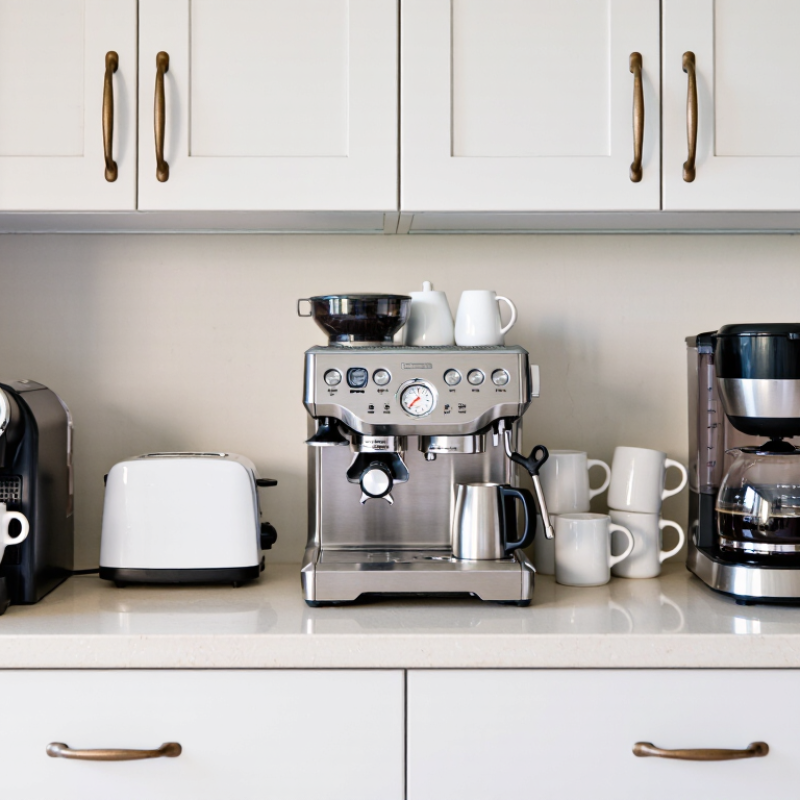
Top Coffee Machines for Small Kitchens How to Choose?

Defining the Best Coffee Machine for a Small Kitchen

Defining the best coffee machine for a small kitchen begins with fit, not features. Measure the counter, cabinet clearance, and space around the water reservoir. A machine that needs daily movement will become inconvenient quickly. In my experience, a narrow model with front access works better than a shorter model with a rear tank. Keep at least five centimeters above the lid. Steam and heat need room.

The National Coffee Association’s Spring 2024 report found that 67% of American adults drank coffee the previous day. That habit makes simple maintenance more important than impressive specifications. Look for removable brewing parts, a clear water-level marker, and controls you can operate before work.

A 2024 International Coffee Organization report estimated global coffee consumption at about 177.9 million 60-kilogram bags during the 2023–2024 period. More home brewing means more attention to repeatable results, not necessarily larger equipment.

For most small kitchens, the best machine balances three points: compact storage, consistent extraction, and easy cleaning. Choose adjustable strength and cup-size settings if household preferences differ. A thermal carafe may suit slow mornings, while a single-serve system reduces leftover coffee. I once chose a machine for its tiny footprint and regretted the shallow drip tray. It spilled often. That mistake still matters: capacity, noise, and repair access deserve equal attention. Fancy functions can become unused clutter.

Key Features to Consider Before Choosing a Compact Coffee Machine

Top Coffee Machines for Small Kitchens: How to Choose?

A compact coffee machine should fit your routine, not merely your countertop. Measure the available space, including height beneath cabinets. A narrow body is useful, but front-access controls matter more in daily use. Check the water tank size, too. A small tank saves space, yet frequent refilling becomes irritating during busy mornings. Look for a removable tank with a clear level mark. It makes maintenance easier and prevents dry brewing.

Brewing performance deserves careful attention. Choose adjustable strength and temperature settings for better control over different coffee styles. A built-in grinder can save counter space, but it may increase noise and cleaning time. If you prefer pre-ground coffee, confirm that the filter basket is easy to reach. Cup clearance is another overlooked detail. Tall travel mugs often fail to fit under compact machines. Measure your favorite mug before buying.

Cleaning features strongly affect long-term satisfaction. Removable drip trays, accessible brewing parts, and automatic rinsing can reduce neglected residue. I once chose a small machine with excellent coffee output, but its narrow tray was awkward to wash. That mistake changed my priorities. Check the manual for descaling guidance and replacement-part availability. Independent reviews can reveal leaking, excessive noise, or weak controls that product descriptions rarely mention. Look for recognized electrical safety certification, and inspect the warranty terms. Small kitchens reward practical design. Fancy features do not always earn their space.

Comparing Coffee Machine Types for Limited Counter Space

Small kitchens punish vague buying advice. Measure the counter before comparing coffee machines, including lid clearance and cable space. The National Coffee Association’s 2024 report found that 67% of American adults drank coffee the previous day. That frequency makes daily access more important than decorative features. A machine should fit the morning routine, not merely the shelf.

A compact pod machine usually offers the smallest footprint and fastest cleanup. It suits one or two daily cups, but ongoing capsule waste and storage can become inconvenient. A narrow drip machine serves several people, although its carafe needs forward clearance.

Manual espresso makers save electrical space, yet they demand a grinder, scales, and practice. Bean-to-cup models reduce separate equipment, but their internal systems often require greater depth.

Coffee consumption remains substantial worldwide; the International Coffee Organization estimated 177.9 million 60-kilogram bags for 2023/24. Capacity therefore matters, even in a tiny kitchen.

Check the water tank from the side, not only from the front. Removable parts should reach the sink without moving the machine. In a small apartment test, I would value a 30-centimeter footprint over extra drink programs.

That choice may feel restrictive. It is often more realistic. Energy use also deserves attention: the machine should shut down automatically and avoid heating an oversized reservoir.

A compact drip model may be the sensible compromise for shared mornings, while a manual setup can reward slower, more deliberate brewing.

Evaluating Capacity, Maintenance, and Everyday Usability

For small kitchens, capacity is not a race. A compact machine should match daily demand, not imagined weekends. The National Coffee Association’s Spring 2024 report found that 67% of American adults drank coffee the previous day. That figure supports a practical question: how many cups must your household make before refilling becomes irritating? A 0.8–1.2-liter reservoir often suits one or two drinkers. Smaller tanks save counter depth. Measure the space with the lid open. I have forgotten that detail before.

Maintenance decides whether convenience survives the first month. Look for removable brew parts, a visible drip tray, and easy access around the filter. The Specialty Coffee Association recommends brewing water between 90.5°C and 96°C for consistent extraction. Mineral buildup can disturb flow and temperature. In hard-water areas, cleaning may need to happen more often. Check the manual, then record the date on a small label. It sounds fussy. It works.

Everyday usability includes noise, heat-up time, controls, and cleanup after the final cup. A machine that makes excellent coffee but leaves wet grounds everywhere is not efficient. Test whether your mug fits beneath the outlet without tilting. The International Energy Agency identifies standby consumption as an ongoing household energy concern. Therefore, an automatic shutoff deserves attention. Energy claims still vary by model and usage. Do not trust dramatic figures without test conditions. Choose the machine you will clean on a tired Monday. That is the honest test.

Top Coffee Machines for Small Kitchens: How to Choose? — Evaluating Capacity, Maintenance, and Everyday Usability
Machine Type Typical Footprint
(W × D × H)
Water Tank
Capacity
Coffee Capacity Typical Daily Output Routine Maintenance Warm-Up Time Ease of Use
Compact Drip Coffee Maker 20–25 × 16–22 × 25–30 cm 0.6–1.0 L 4–8 cups per brew Suitable for 1–4 people; brews a full pot at once Rinse the carafe and filter basket after use; descale approximately every 1–3 months, depending on water hardness 3–6 minutes Very easy
Single-Serve Capsule Machine 12–18 × 30–38 × 25–32 cm 0.7–1.2 L 8–15 capsules before refilling the water tank Best for one cup at a time; practical for 1–3 users Empty the used-capsule container and drip tray regularly; rinse the water tank; descale approximately every 3–6 months 30–90 seconds Very easy
Slim Manual Espresso Machine 15–20 × 27–33 × 28–35 cm 1.0–1.5 L 250–500 g of ground coffee in a separate airtight container Usually 1–4 espresso-based drinks per session Flush the group head, clean the portafilter, wipe the steam wand immediately, and backflush or descale according to use 2–5 minutes Moderate
Compact Automatic Espresso Machine 18–25 × 35–45 × 30–40 cm 1.0–1.8 L 125–250 g bean hopper Convenient for 2–6 drinks per day; some units support multiple drink sizes Empty the drip tray and grounds container frequently; rinse the brew unit when removable; clean the milk system after every milk drink; descale as indicated 30–90 seconds Easy
AeroPress-Style Manual Brewer 10–15 × 10–15 × 25–35 cm when stored 0.25–0.35 L per brew 15–20 g of ground coffee per brew One serving per cycle; suitable for 1–2 people Rinse the brewer and filter cap after use; replace paper filters for each brew; no descaling cycle is normally required 2–4 minutes Easy
Stovetop Moka Pot 10–15 × 15–20 × 15–22 cm 0.12–0.30 L per brew 17–30 g of ground coffee, depending on size Typically 1–6 small servings per brew Rinse with warm water, dry thoroughly, and inspect the gasket and filter; avoid dish soap on aluminum versions unless the manufacturer permits it 4–8 minutes on a suitable stovetop Easy
Pour-Over Brewer with Carafe 15–25 × 12–20 × 20–35 cm, excluding kettle 0.25–1.0 L per brew 15–60 g of ground coffee per brew One to six cups, depending on the dripper and carafe size Rinse the dripper and carafe after use; replace paper filters; clean mineral deposits from the kettle periodically 3–6 minutes after water reaches brewing temperature Moderate
Compact French Press 10–15 × 10–15 × 18–25 cm 0.35–0.75 L 22–45 g of ground coffee per brew Usually 2–6 cups per brew, depending on cup size Separate and rinse the plunger and mesh screen; wash regularly to prevent coffee-oil buildup 4–6 minutes steeping time Easy
Selection guide: For the smallest worktops, prioritize machines under 20 cm wide. Choose a larger water tank or bean hopper when several people share the machine, but remember that larger capacities usually require more counter depth and more frequent cleaning of stored water or coffee residues.

Matching the Right Coffee Machine to Your Kitchen and Brewing Needs

Top Coffee Machines for Small Kitchens: How to Choose

Choosing a coffee machine for a small kitchen starts with your available space. Measure the counter, cabinet height, and nearby power access. Leave room to open the water tank and remove the brew basket. A narrow machine may fit well, but its controls can feel cramped. Machines with front-loading tanks usually suit shallow counters better. Look for removable parts that can reach your sink easily. Daily cleaning becomes difficult when every component needs careful rearranging. Noise also matters in compact homes. A loud grinder can disturb early sleepers. I once underestimated this issue, and morning coffee became less relaxing.

Your brewing routine should guide the machine type. For one quick cup, a compact capsule-free brewer with simple controls may be practical. A small grinder-brewer setup offers fresher coffee but needs more counter space. If several people drink coffee, choose a larger tank and faster brewing cycle. Check whether the machine handles different cup sizes without awkward adjustments. Consistent temperature and steady water flow affect extraction more than decorative features. A built-in grinder saves space, yet it adds cleaning work and possible maintenance. Convenience has limits. Consider how often you will descale the machine, replace filters, and wipe coffee residue. A machine that fits your habits will usually perform better than one with impressive specifications.

FAQS

How much water capacity suits a small household?

A 0.8–1.2-liter reservoir usually suits one or two coffee drinkers. Refilling gets annoying. Choose a larger tank only when several people brew daily.

What should I measure before buying a compact coffee machine?

Measure counter depth, cabinet height, and nearby power access. Check the space with the lid fully open. I once forgot this detail. The machine fitted, but the lid did not.

Which design works best for shallow counters?

A front-loading water tank often suits shallow counters better. Leave room to remove the brew basket and clean removable parts. A narrow body may still have cramped controls.

How important is removable equipment?

Removable brew parts make rinsing and cleaning easier. Look for a visible drip tray and open filter access. Wet grounds left behind can create daily frustration. That matters.

How often should I clean and descale the machine?

Cleaning frequency depends on water hardness and daily use. Mineral buildup can affect water flow and brewing temperature. Check the manual and record the cleaning date on a small label. It sounds fussy, but it works.

What brewing temperature supports consistent coffee extraction?

Water between 90.5°C and 96°C generally supports consistent extraction. Steady water flow also matters. Decorative features matter less.

Should I choose a built-in grinder?

A built-in grinder saves counter space and can produce fresher coffee. It also adds cleaning work and possible maintenance. Think about your tired Monday routine. Convenience has limits.

What everyday details should I test before buying?

Check noise, heat-up time, controls, cup clearance, and cleanup. Your mug should fit beneath the outlet without tilting. Automatic shutoff can reduce unnecessary standby energy use. Do not trust dramatic energy claims without test conditions.

Conclusion

Choosing the best coffee machine for a small kitchen means balancing brewing quality, countertop space, and everyday convenience. How to choose a coffee machine for small kitchens depends on your available room, preferred coffee style, and willingness to handle cleaning. Compact drip machines, single-serve brewers, espresso makers, and manual options each offer different advantages. Before deciding, consider the machine’s dimensions, water-tank position, control simplicity, noise level, and storage needs.

Capacity and maintenance are equally important. A smaller reservoir may suit one person, while a larger one can reduce refilling for a household, but it will require more space. Look for removable parts, easy-to-clean components, and durable construction to make daily use more practical. The ideal choice should fit comfortably under cabinets, provide the beverages you enjoy, and match your routine without creating unnecessary clutter. By comparing machine types and prioritizing usability, you can find a compact coffee solution that complements both your kitchen and brewing habits.

Oliver

Oliver

Oliver is a seasoned marketing professional with a wealth of expertise in driving brand awareness and engagement. With a deep understanding of our company's product offerings, he consistently delivers high-quality content that enriches our professional blog. His insights not only shed light on......